[ 05 — Articles ]
Notes fromthe studio.
Practical guides, product lessons, and honest stories from building software that has to work in the real world.
Practical guides · Product lessons · Real decisions
 [ ARTICLE 01 ]
Sep 23, 2026
Latest articleFounder-Led Marketing for B2B SaaS: A Practical Growth System
A practical founder-led marketing strategy for SaaS teams, grounded in Trifaar's work building a content workflow for a private client.
Read article [ ARTICLE 02 ]
Sep 23, 2026
How We Helped a Founder Build a Personal Brand with a Content System
How Trifaar organized a private client's founder-led content workflow across four channels, reducing reported production time by 83% while keeping human review in control.
Read article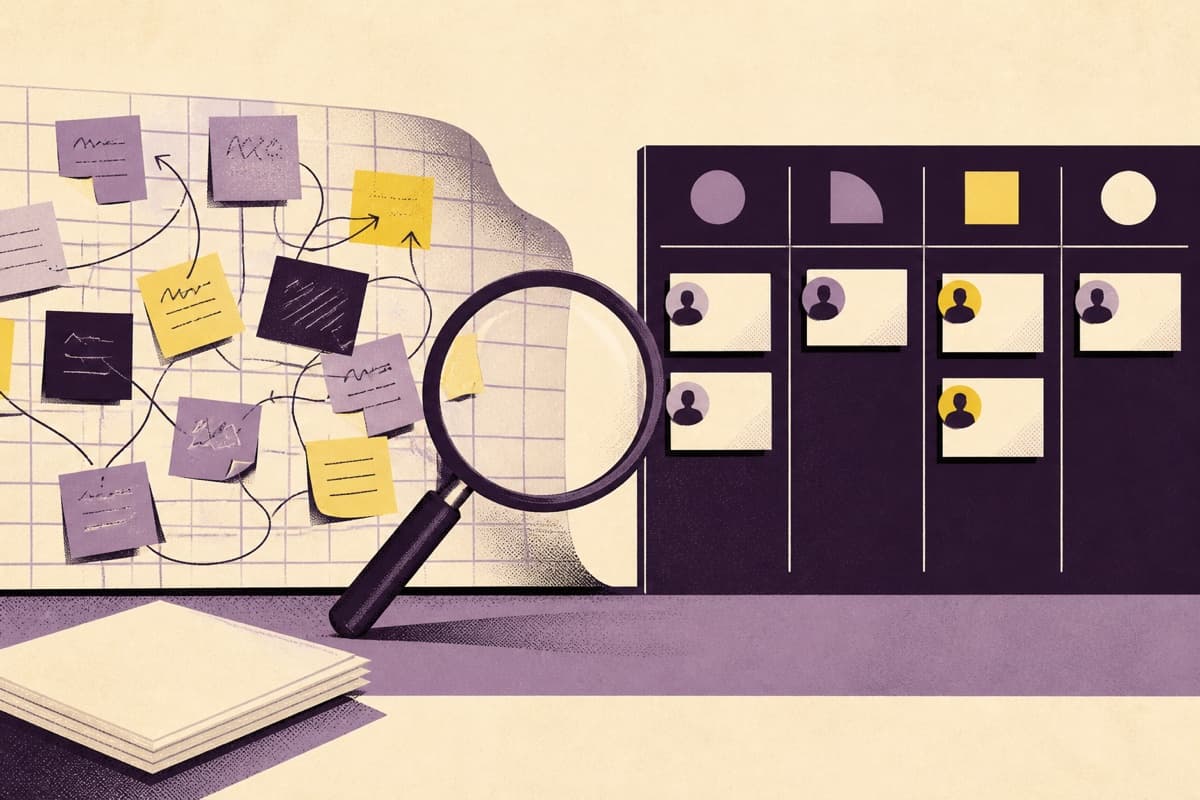 [ ARTICLE 03 ]
Sep 2, 2026
From Spreadsheet to Internal Platform: When Is Custom Software Worth It?
Evaluate spreadsheet improvements, existing software, integrations, and custom platforms using real workflow friction, baseline costs, migration, and adoption.
Read article [ ARTICLE 04 ]
Sep 2, 2026
What a Proper Software Agency Handover Should Include
A practical handover checklist covering account ownership, reproducible builds, deployment, secrets, architecture, recovery rehearsals, and support boundaries.
Read article [ ARTICLE 05 ]
Sep 2, 2026
Building a Social App: The Features You Need Before Growth
Plan reporting, blocking, moderation operations, anti-spam controls, privacy defaults, and account deletion alongside your social app’s core interactions.
Read article [ ARTICLE 06 ]
Sep 2, 2026
Event Software Must Work When the Venue Wi-Fi Doesn’t
Design offline ticket validation with honest duplicate-scan limits, local event storage, reconciliation, clear staff states, and a rehearsed outage plan.
Read article [ ARTICLE 07 ]
Sep 2, 2026
Why Booking Apps Double-Book—and How to Prevent It
How atomic reservations, resource constraints, payment states, idempotency, time zones, and calendar reconciliation make appointment systems dependable.
Read article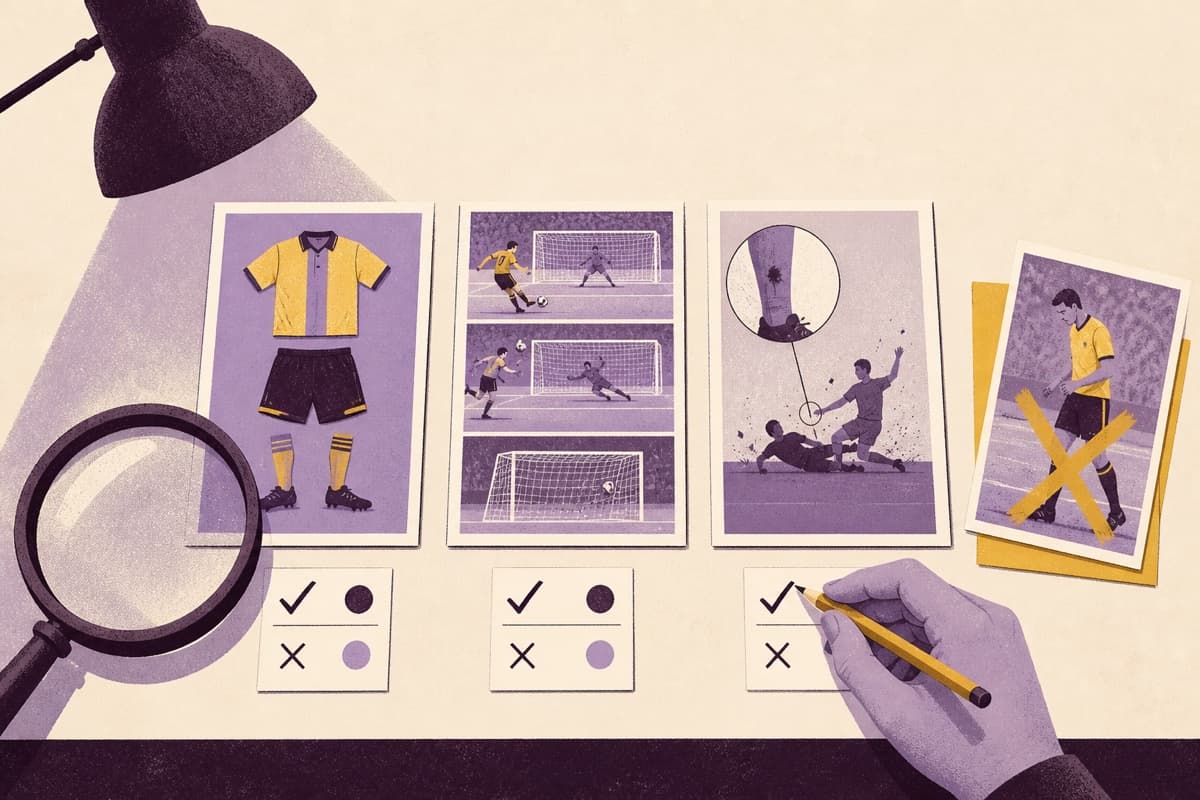 [ ARTICLE 08 ]
Sep 2, 2026
How to Measure Whether Your AI Product Is Actually Good
Build task-specific AI evaluations using representative cases, domain rubrics, expert review, failure categories, release comparisons, and cost per accepted result.
Read article [ ARTICLE 09 ]
Sep 2, 2026
Before You Give an AI Agent Access to Your Business Systems
A practical guide to narrow tools, scoped credentials, approval boundaries, prompt-injection resistance, retry-safe actions, and recovery for business AI agents.
Read article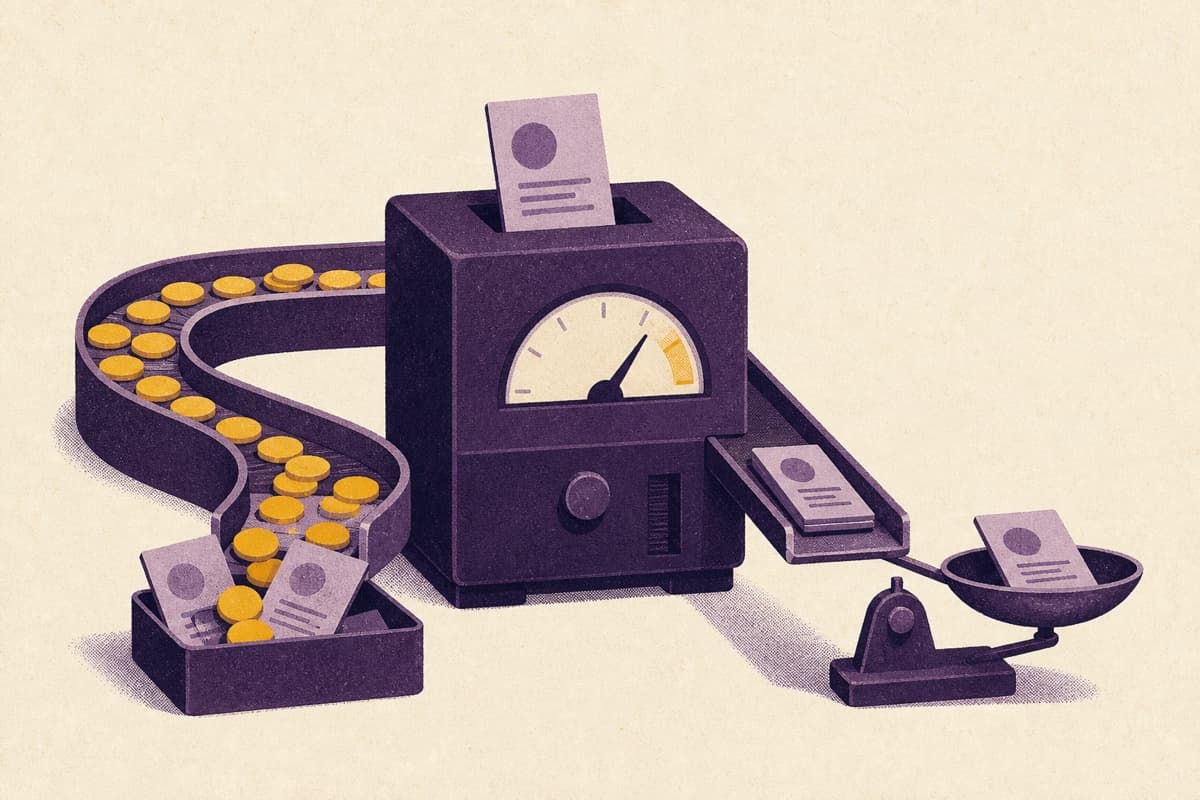 [ ARTICLE 10 ]
Sep 2, 2026
Your AI Feature Works—But Can You Afford Every User?
Measure AI cost per accepted outcome, including retries, retrieval, media processing, infrastructure, and human review—not just the price of a model call.
Read article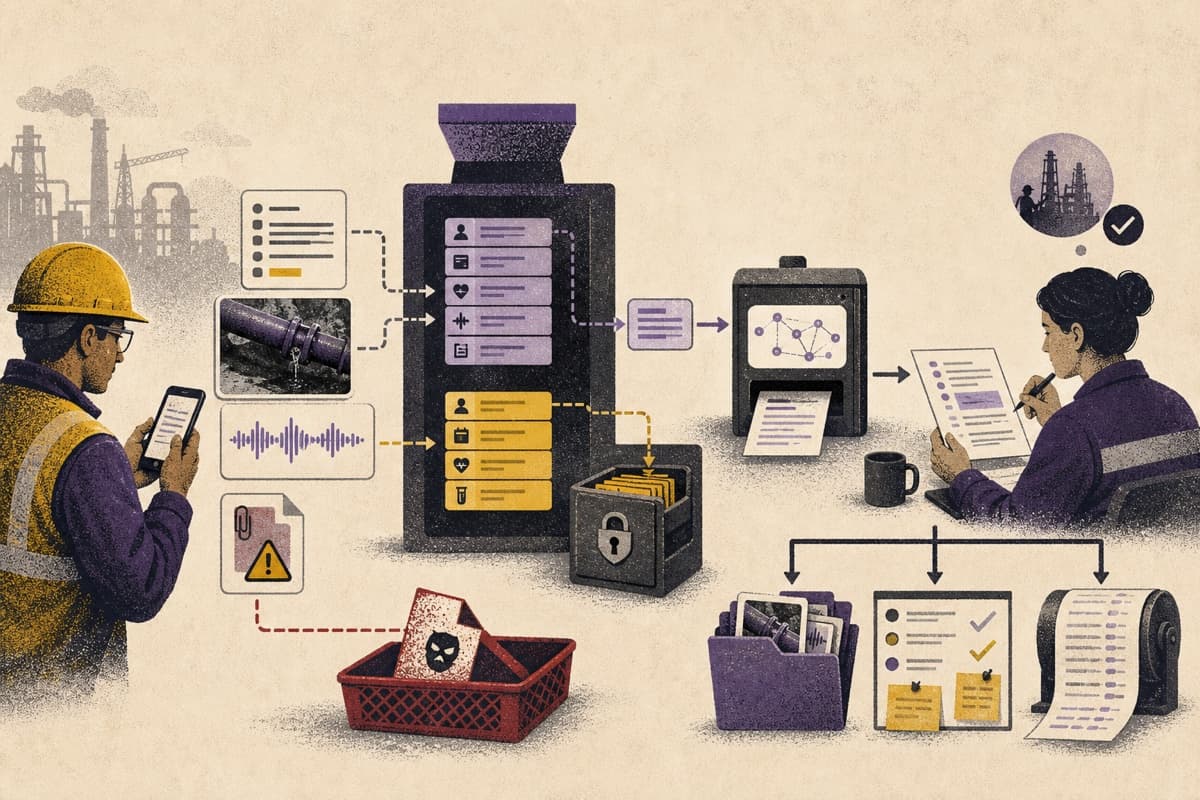 [ ARTICLE 11 ]
Aug 27, 2026
AI Incident Reporting Without Exposing Employee Health Data
How progressive intake, pre-model classification, data minimization, privacy-aware retrieval, human review, and safer logs reduce exposure in AI-assisted EHS reporting.
Read article [ ARTICLE 12 ]
Aug 27, 2026
How to Architect an AI-Powered, HIPAA-Ready EHS Platform
The product architecture behind separated health data, minimum-necessary AI inputs, business-associate boundaries, evidence-linked review, audit controls, and safe recovery.
Read article [ ARTICLE 13 ]
Aug 27, 2026
When Does an EHS Platform Actually Need to Be HIPAA Compliant?
A practical guide to the boundary between employer safety records, OSHA privacy, PHI, occupational health, health plans, business associates, and AI data flows.
Read article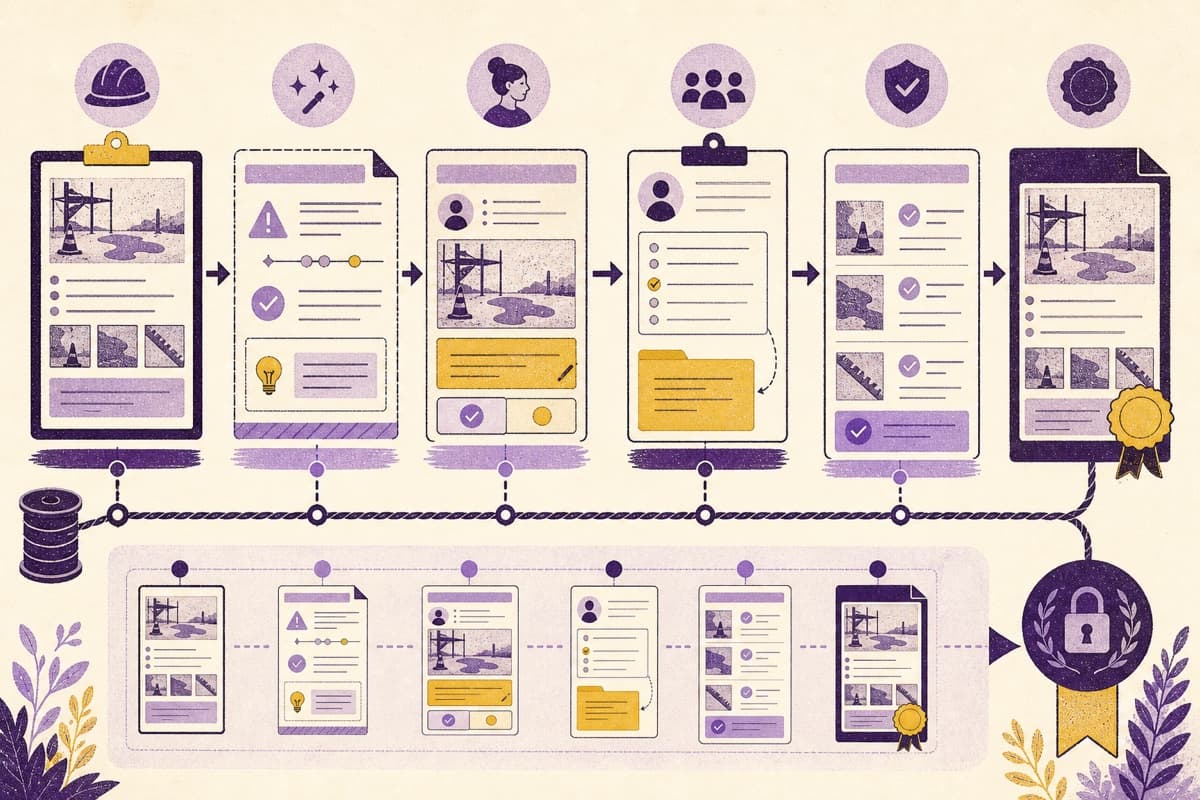 [ ARTICLE 14 ]
Aug 25, 2026
Building AI for Compliance: Why Audit Trails Matter More Than Clever Answers
How structured records, source evidence, model-event history, human approval, policy versions, corrective actions, and safe failure make AI assistance accountable.
Read article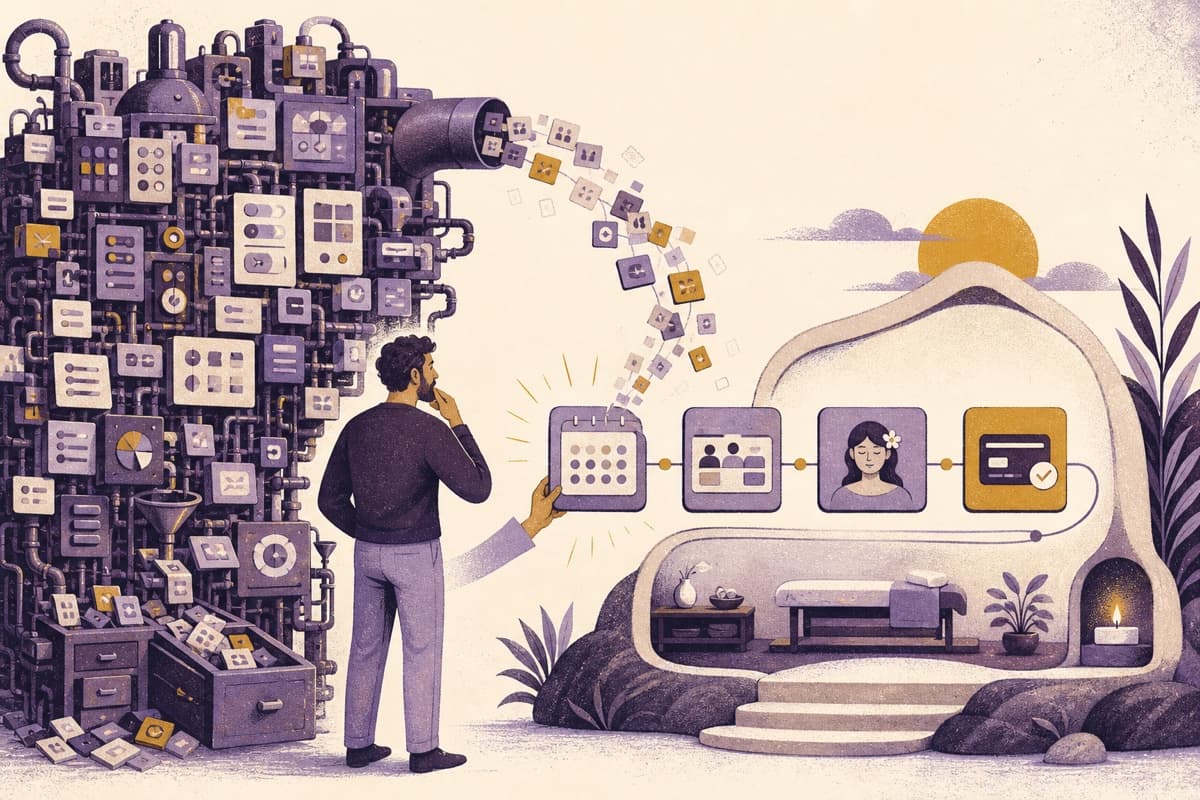 [ ARTICLE 15 ]
Aug 25, 2026
Why SaaS Clones Fail: Build Around the Market Gap, Not the Competitor
Lessons from Smart360 on using an incumbent as market evidence while building an original workflow, data model, migration path, and operating system for the customer.
Read article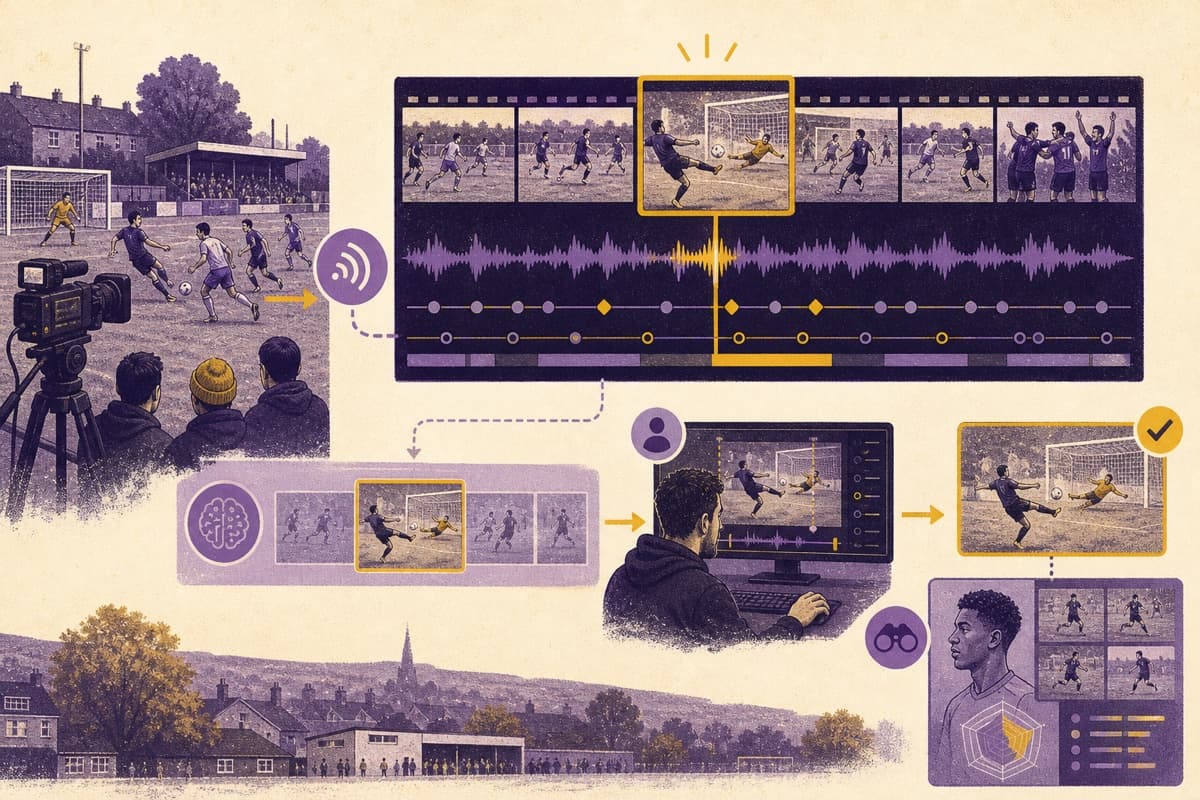 [ ARTICLE 16 ]
Aug 25, 2026
Building AI Sports Highlights: From Livestream to Scout-Ready Clip
A technical walkthrough of the media pipeline connecting local-match streaming, video segmentation, multimodal event detection, human review, clip generation, and player data.
Read article [ ARTICLE 17 ]
Aug 25, 2026
How We Would Architect an AI Stylist Like WatoWear
The practical product architecture behind useful digital styling: evolving profiles, multimodal garment data, compatibility ranking, expert rules, feedback, and evaluation.
Read article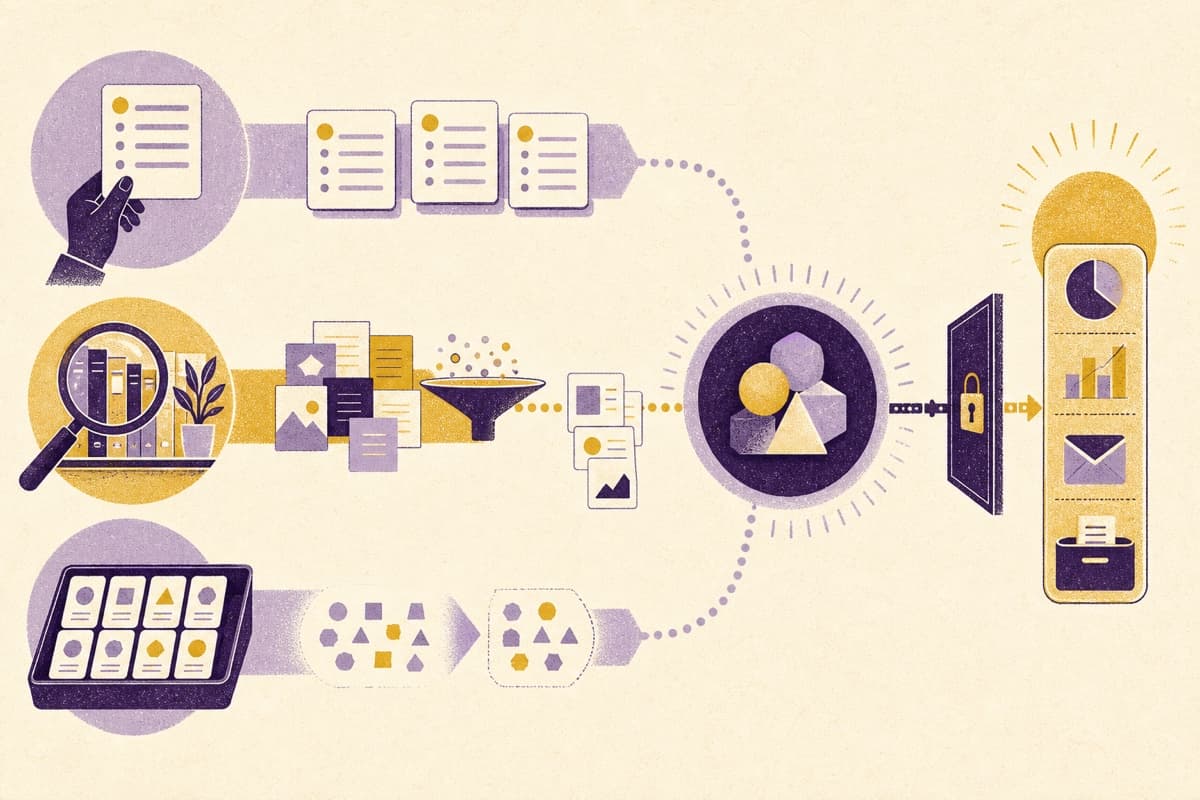 [ ARTICLE 18 ]
Aug 25, 2026
RAG, Fine-Tuning, or Prompt Engineering: What Does Your AI Product Need?
A founder-friendly decision guide to improving AI instructions, adding current private knowledge, changing model behavior, or connecting controlled business actions.
Read article [ ARTICLE 19 ]
Aug 25, 2026
Your AI Product Probably Doesn’t Need a Chatbot
What WatoWear, Daspire, JUU, Morning AI, and VerifyMC teach about recommendation, search, detection, approval, and workflow-first AI interfaces.
Read article [ ARTICLE 20 ]
Aug 25, 2026
The Vibe-Coded MVP Rescue Guide: Keep, Refactor, or Rebuild?
How to audit an AI-built MVP, preserve validated product work, repair change-resistant code, and rebuild only the boundaries that cannot be trusted.
Read article [ ARTICLE 21 ]
Aug 25, 2026
Vibe Coding Is Great for Prototypes—Here’s What Must Happen Before Production
A practical production checklist for turning a fast AI-built prototype into software with dependable permissions, data, tests, security, monitoring, and recovery.
Read article [ ARTICLE 22 ]
Aug 23, 2026
Dedicated Team or Flexible Credits? Choosing the Right Agency Model
An honest comparison of stable dedicated teams, adaptable credit pools, and the hybrid model for products that need continuity plus specialist support.
Read article [ ARTICLE 23 ]
Aug 23, 2026
How Flexible Credits Can Reduce Software Development Waste
A practical look at matching design, engineering, senior, and DevOps capacity to the current product bottleneck instead of carrying the wrong team shape.
Read article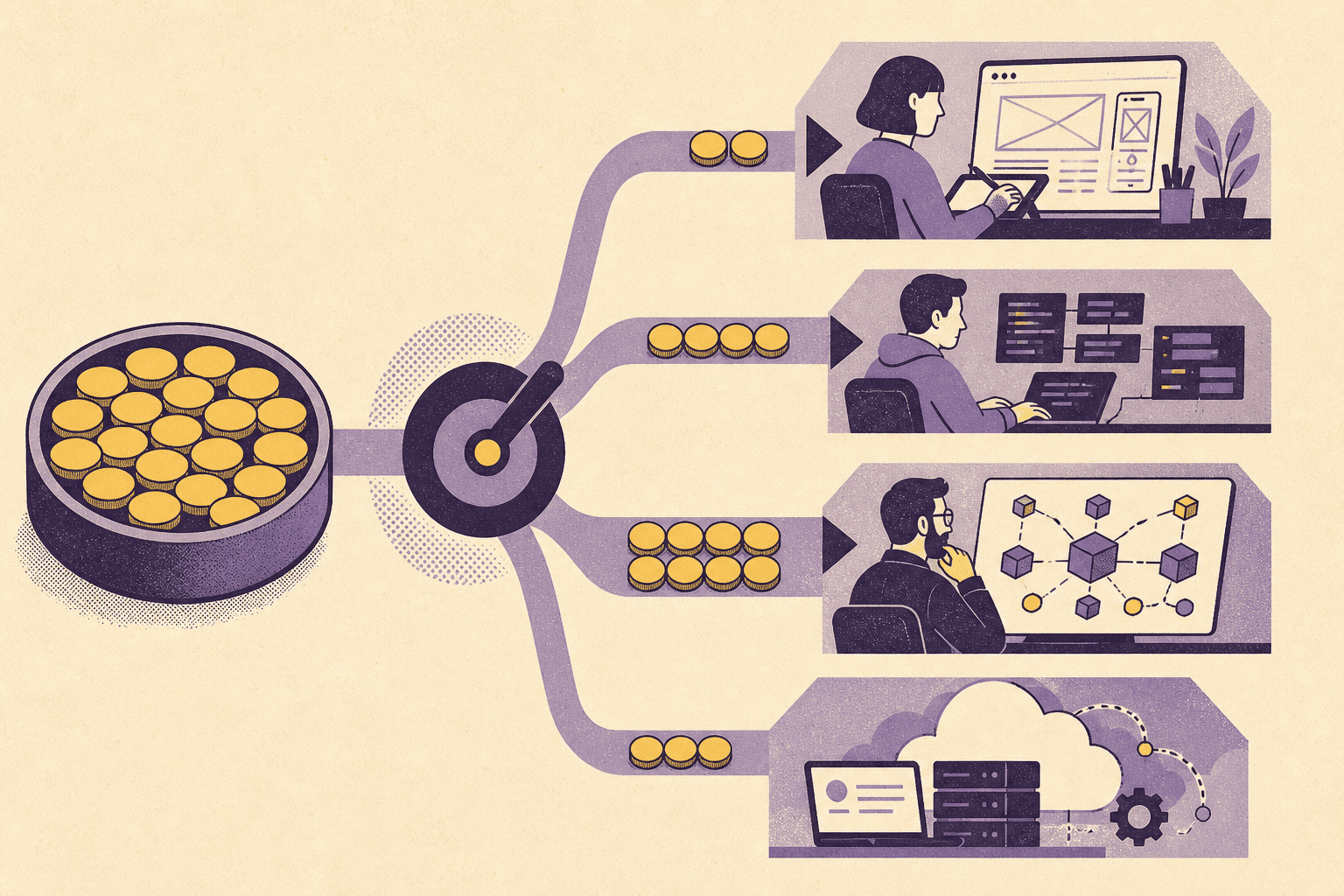 [ ARTICLE 24 ]
Aug 23, 2026
One Budget, Multiple Specialists: Trifaar's Credit Model
How one transparent credit balance can flex across UI/UX, software engineers, senior engineers, DevOps, and other agreed specialists as product priorities change.
Read article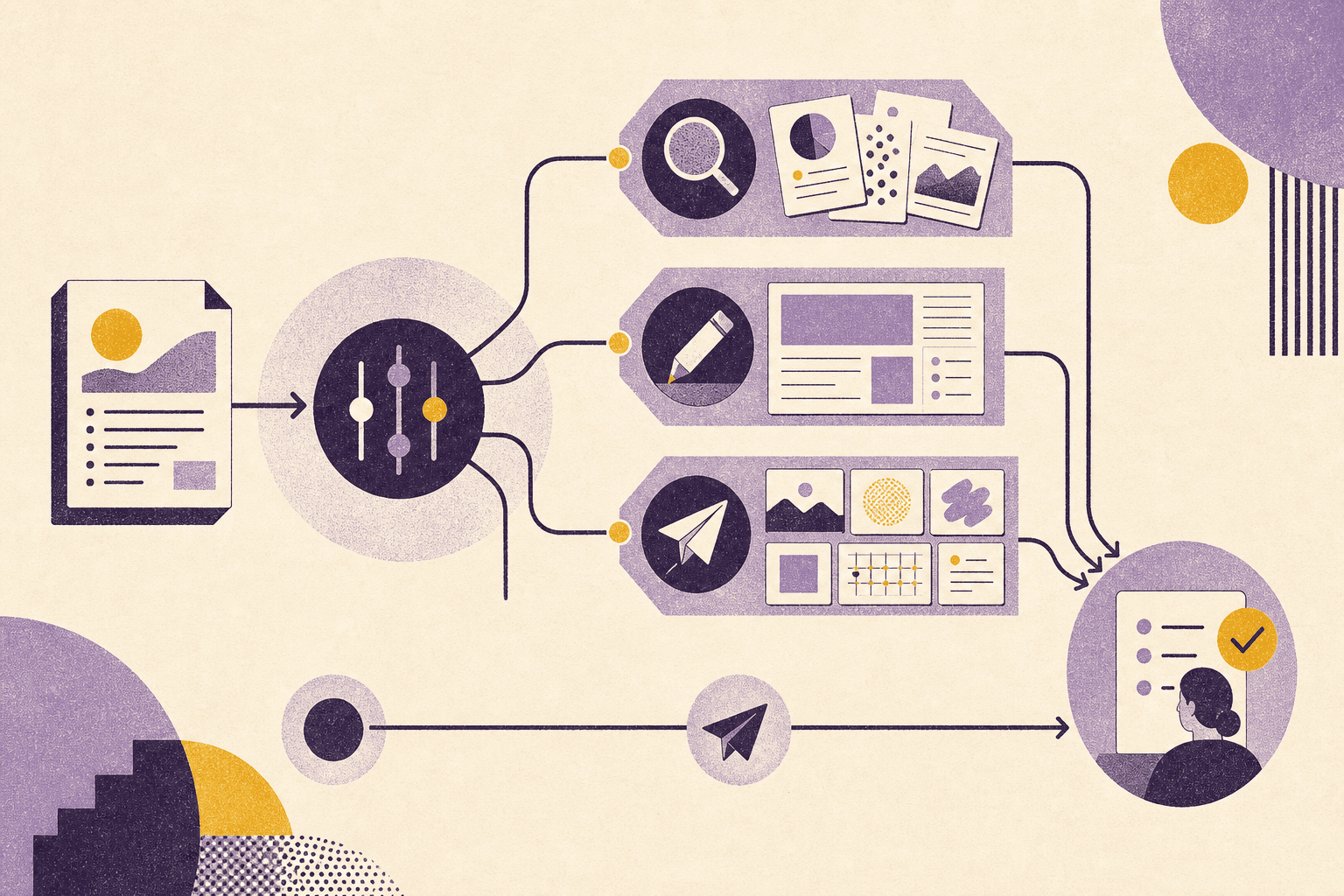 [ ARTICLE 25 ]
Aug 23, 2026
When Multi-Agent AI Is Worth the Complexity
A clear framework for deciding when specialized agents create real value—and when one model, a few tools, and an explicit workflow are enough.
Read article [ ARTICLE 26 ]
Aug 23, 2026
Six GenAI Decisions That Prevent Expensive Rebuilds
How modular workflows, retrieval, narrow automation, right-sized models, and human review keep AI products adaptable and development costs under control.
Read article [ ARTICLE 27 ]
Aug 23, 2026
What a GenAI Project Needs After the Demo Works
A practical guide to the evaluations, evidence, approval gates, recovery paths, and cost controls that turn an impressive AI demo into a dependable product.
Read article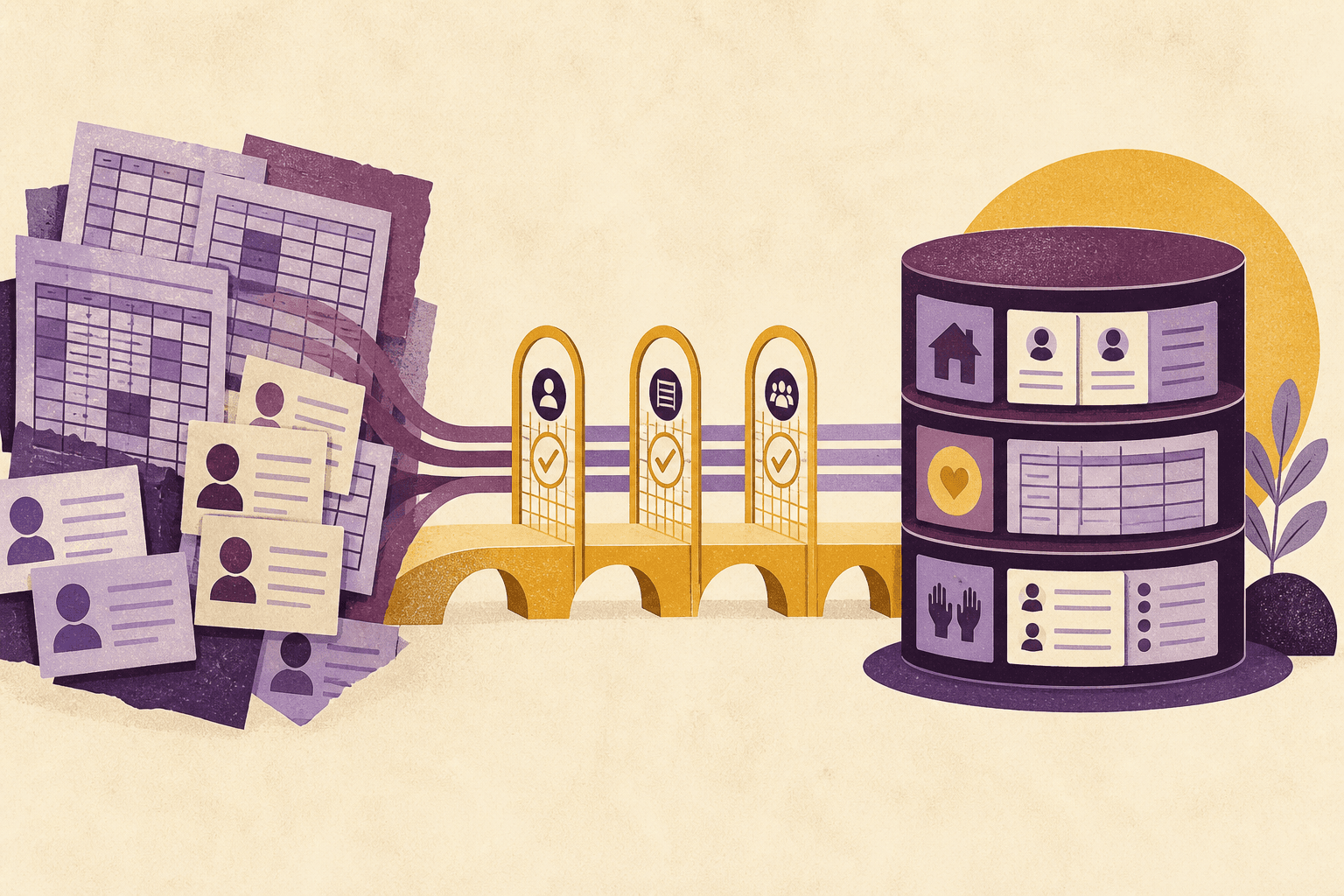 [ ARTICLE 28 ]
Aug 21, 2026
A No-Chaos Guide to Migrating Church Management Systems
A nine-phase migration playbook for cleaning records, reconciling giving, testing Sunday workflows, controlling access, and moving without losing trust.
Read article [ ARTICLE 29 ]
Aug 21, 2026
How to Choose Church Management Software Without Regretting It
Skip the feature-grid contest. Use real ministry workflows, security questions, total cost, and a contained pilot to choose software your church can actually govern.
Read article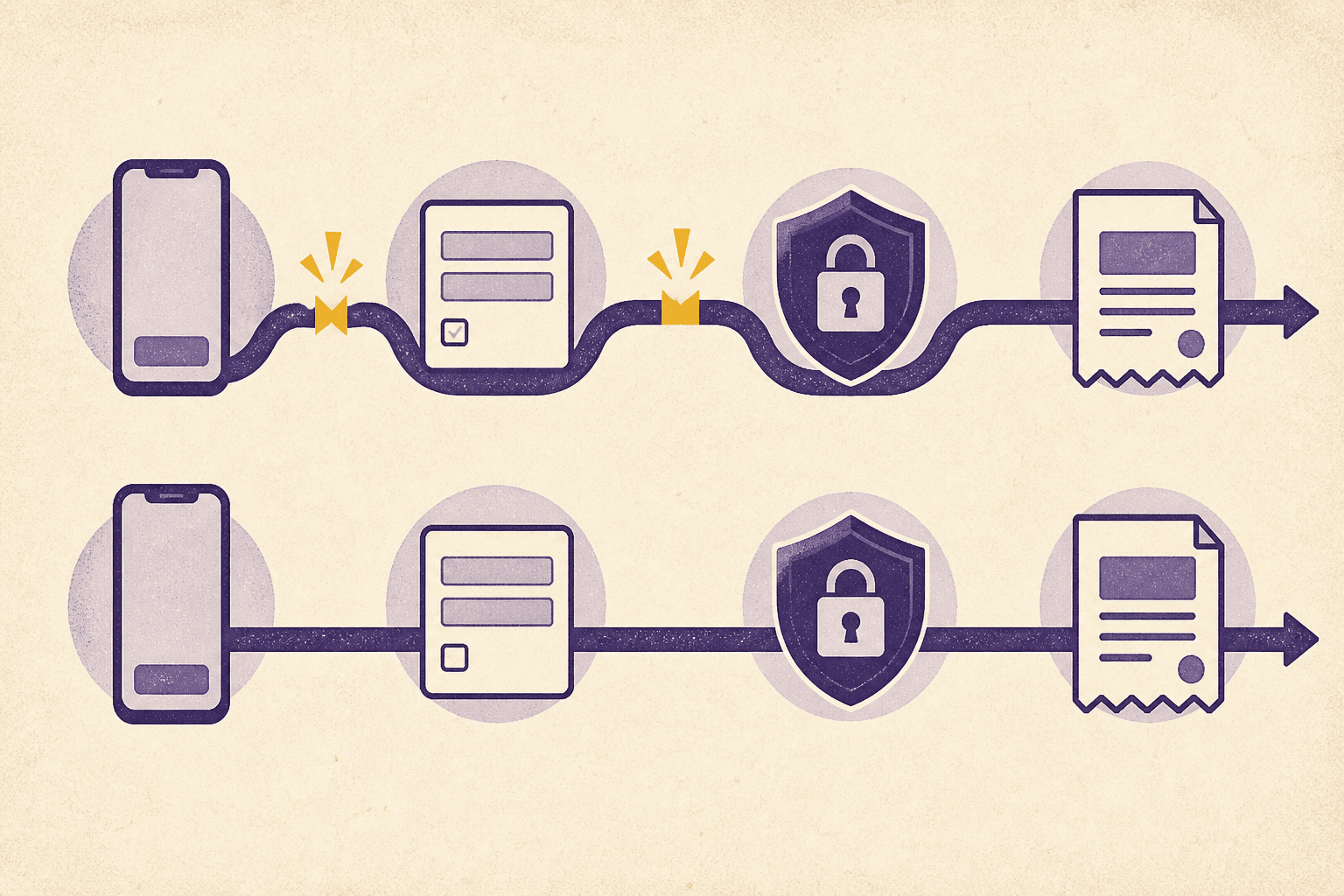 [ ARTICLE 30 ]
Aug 21, 2026
The Church Donation Funnel: Where Good Intentions Get Lost
A practical teardown of the online giving journey, from campaign link to reconciliation, with fixes for the friction that quietly costs churches donations.
Read article [ ARTICLE 31 ]
Aug 21, 2026
How Trifaar Helped Church Products Raise More Than $200,000
The product decisions behind more than $200,000 in completed church donations: clearer giving journeys, safer payments, reliable records, and less friction.
Read article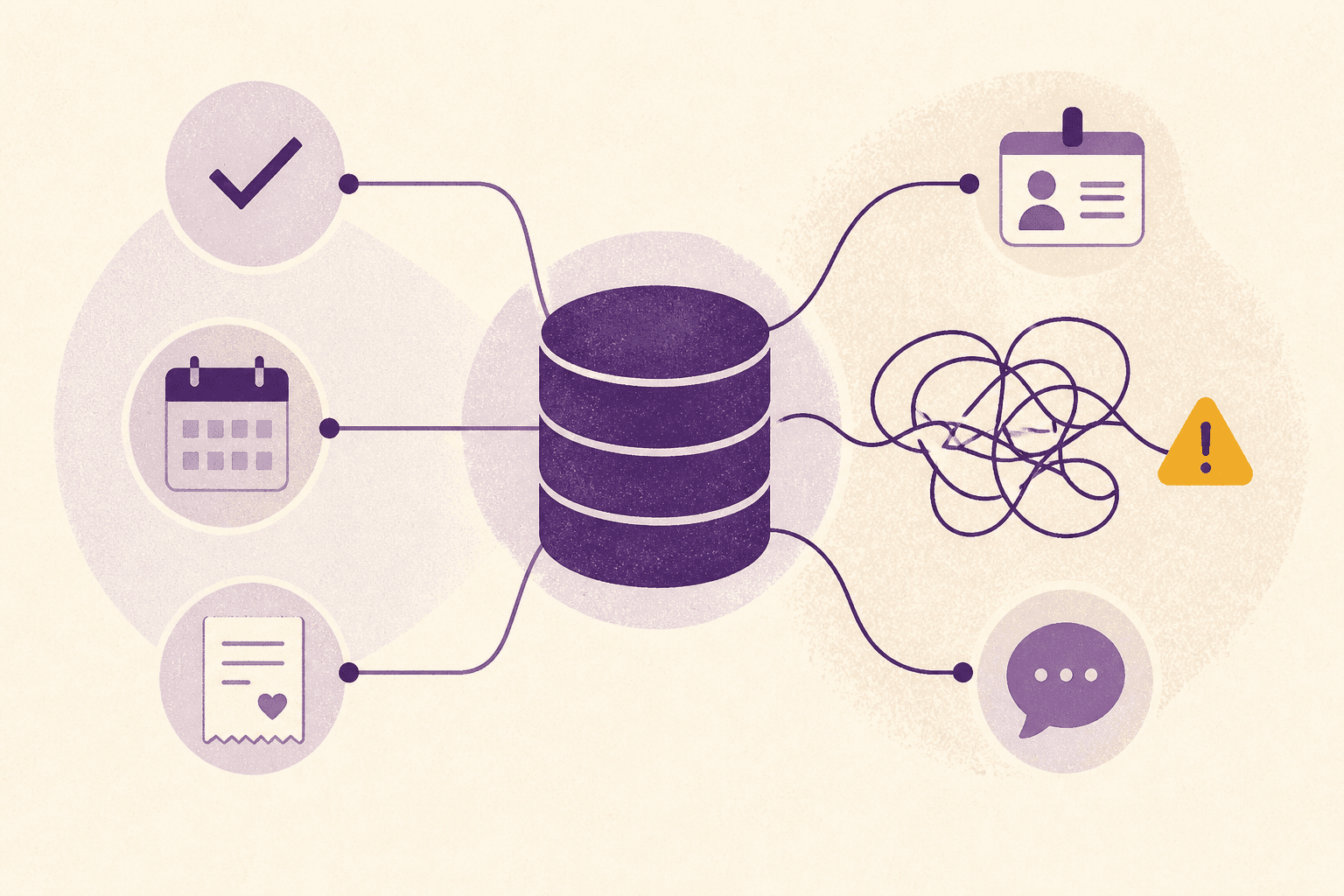 [ ARTICLE 32 ]
Aug 21, 2026
Church Management Systems: The Real Pros, Cons, and Tradeoffs
A clear-eyed guide to what church management software improves, where it creates new risk, and how to decide whether it is worth the cost.
Read article